Lizard Locomotor Performance and Body Condition
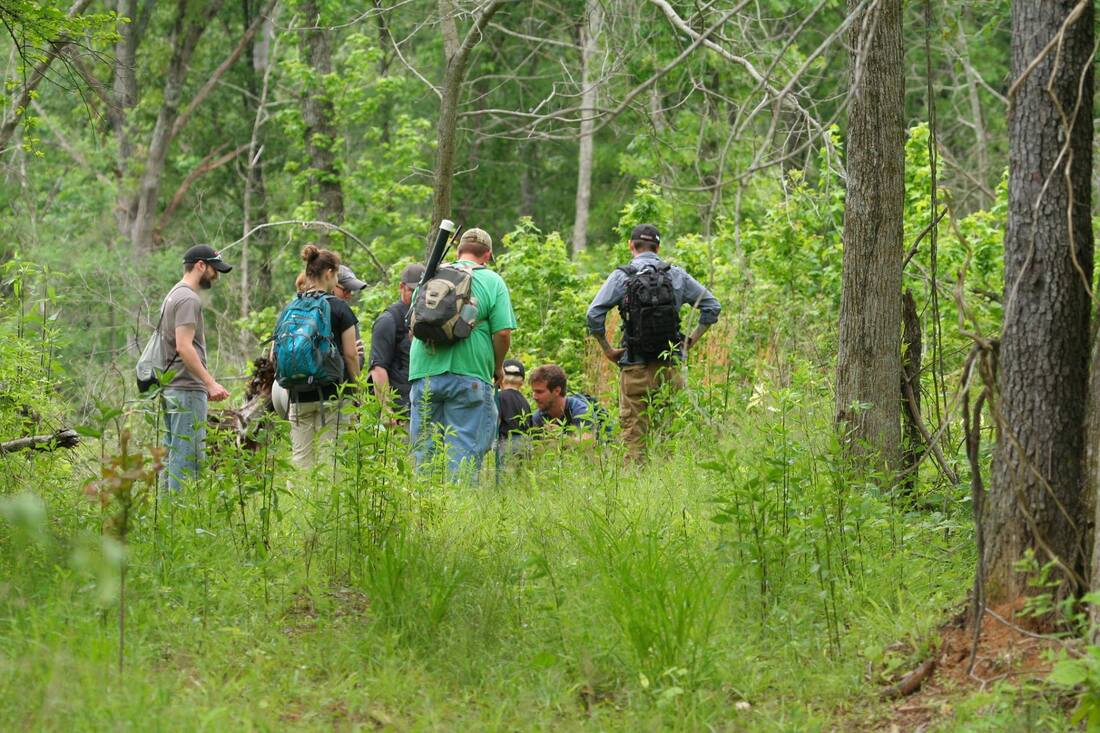
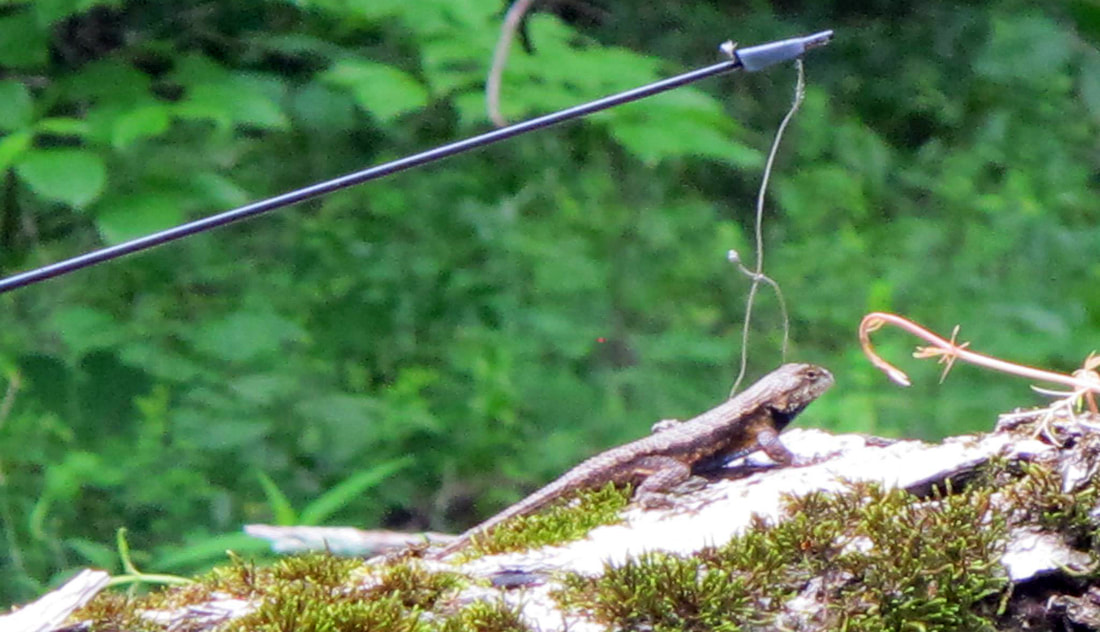
In the Fall of 2013, I joined the Gienger lab as a Masters Student at Austin Peay State University. During 2013- 2016 I was a research assistant for the Center of Excellence for Field Biology at Austin Peay State University where I maintained and collected long-term data on drift fences at the Land Between the Lakes National Recreation Area. The goal of my research was to determine the effects of prescribed burning on reptile and amphibian communities. My thesis research focused on understanding how fire-altered landscapes affected the general ecology of Eastern Fence lizards (Sceloporus undulatus). We also had the opportunity to study how the presence of ectoparasites varied by sex and if they affected the locomotor performance of S. undulatus.
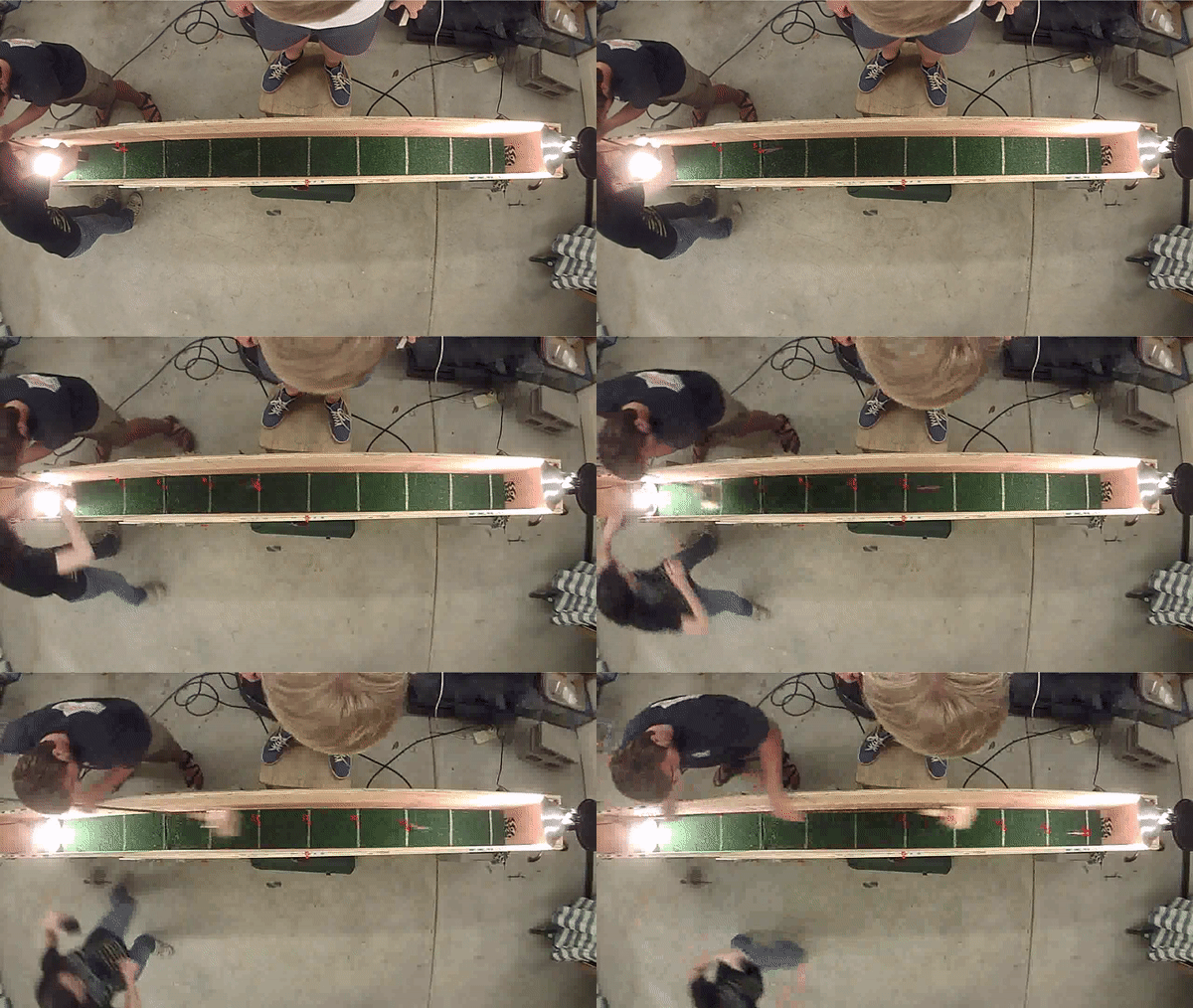
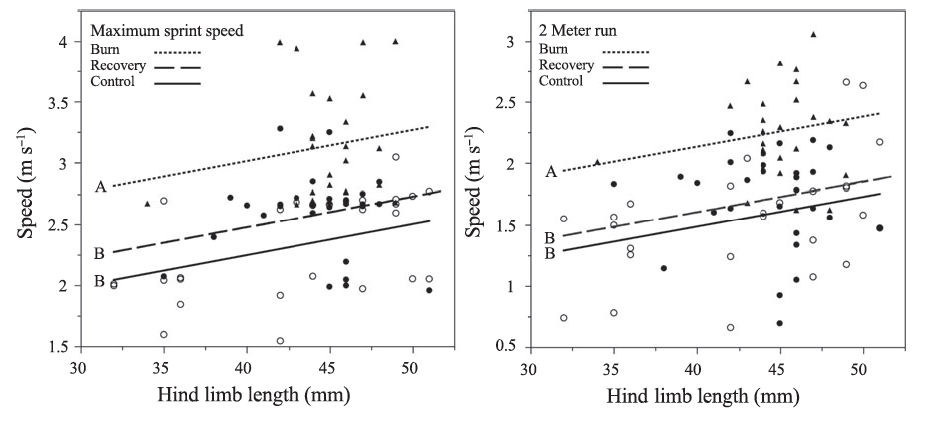
I first compared the differences in locomotor performance and body condition indices of lizards from three habitats with different fire histories. My main objective was to understand how different thermal regimes created by fire influenced the overall physiology of these organisms in altered habitats. We found that there were significant differences in locomotor performance among lizards from different habitats, indicative of phenotypic plasticity in response to fire history (Fig 1, Wild & Gienger, 2018).
Second, we were able to test how common ticks (Dermacentor variabilis & Amblyomma americanum) influenced the life-history processes of S. undulatus. We found that tick prevalence was highly sex-specific. Where males had a higher probability to be infected with ticks (Fig 2, Wild & Gienger, 2024). Also animals with ticks had slower sprint speeds than animals that were not infected (Fig 3, Wild & Gienger, 2024). We argue that there maybe an energetic trade-off between increased immune function and reduce locomotor performance, which is consistent with the immunocompetence-handicap hypothesis.
The findings from my masters work are published in Journal of Zoology and Biological Journal of the Linnean Society.
I first compared the differences in locomotor performance and body condition indices of lizards from three habitats with different fire histories. My main objective was to understand how different thermal regimes created by fire influenced the overall physiology of these organisms in altered habitats. We found that there were significant differences in locomotor performance among lizards from different habitats, indicative of phenotypic plasticity in response to fire history (Fig 1, Wild & Gienger, 2018).
Second, we were able to test how common ticks (Dermacentor variabilis & Amblyomma americanum) influenced the life-history processes of S. undulatus. We found that tick prevalence was highly sex-specific. Where males had a higher probability to be infected with ticks (Fig 2, Wild & Gienger, 2024). Also animals with ticks had slower sprint speeds than animals that were not infected (Fig 3, Wild & Gienger, 2024). We argue that there maybe an energetic trade-off between increased immune function and reduce locomotor performance, which is consistent with the immunocompetence-handicap hypothesis.
The findings from my masters work are published in Journal of Zoology and Biological Journal of the Linnean Society.